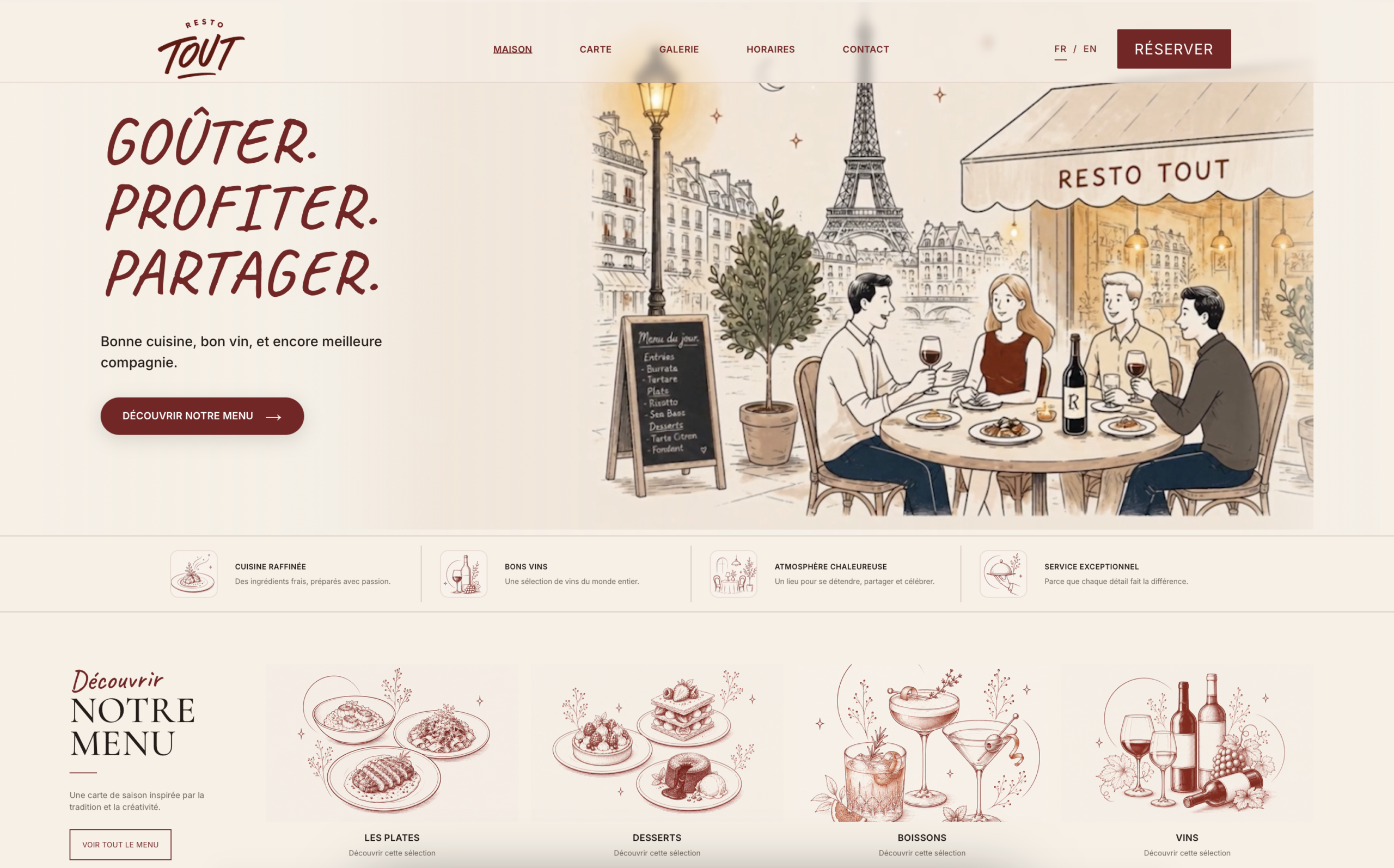
Restaurant Management Ecosystem
RestoTout
Website, ordering, reservations, team operations, admin OS and mobile application.
Demo coming soonSelected work by Alen Noghli, creative director in Paris, across luxury, cosmetics, visual culture, web design and digital products.
ABOUT & PORTFOLIO ↓
As a creative director based in Paris, I bring together art direction, design and technology. For more than two decades, I have built visual identities, campaigns and digital experiences for brands and organisations.
My work moves between luxury and cosmetics, editorial and cultural projects, photography, packaging and web design. From the first visual concept to the final image, I work on the details that make a brand recognisable and consistent.
The role of a creative director is also to connect disciplines. A visual identity can become packaging, a photographic campaign, a website or an interface. I approach these formats as parts of one coherent experience, with attention to typography, colour, composition and usability.
Alongside brand work, I design digital products across hospitality, healthcare and mobile experiences. These projects combine visual communication with practical questions about navigation, information and everyday use.
My practice as a creative director remains closely connected to photography, painting and sculpture. This artistic work informs how I observe light, materials, rhythm and space.
Explore the selected projects below to see how these interests meet across print and screen. For a collaboration in Paris or a project developed remotely, use the contact form to describe your brief, audience and objectives.
A creative director connects the purpose of a project with the way it looks and feels. Before choosing a typeface, an image or a layout, it helps to understand who the work is for, what it needs to communicate and where people will encounter it. A brand launch, an exhibition, a packaging range and a digital product raise different questions, even when they share the same visual identity.
My portfolio brings these disciplines together. You can explore art direction, photography, print, websites and applications on this page, then use the contact form to explain your own project. When approaching a creative director, a clear description of the audience, existing materials, expected formats and timing is more useful than a long list of visual references alone. These starting points help establish a coherent direction while leaving room for research, discussion and creative decisions.
A visual identity is more than a logo placed on different supports. Typography, colour, spacing, composition and photography all contribute to recognition. As a creative director, I consider how these elements work together and how they can remain consistent when the format changes. A small label, a large poster and a mobile screen each need their own hierarchy and level of detail.
The selected work shows different relationships between image and identity, particularly in cosmetics, cultural communication and digital experiences. For a new brief, useful questions include what should remain recognisable, what needs to evolve and which applications are essential at launch. The creative director can then connect the individual pieces to a shared visual direction. Existing brand assets, examples of current communication and an explanation of the desired audience are helpful materials to include when starting that conversation. They make it easier to distinguish a visual refresh from a broader identity project.
Packaging brings visual identity into a physical relationship with a product. The shape of the container, the available surface, the legibility of a label and the image used to present it all influence the result. A creative director needs to consider both the individual object and the way a collection appears together, whether photographed, displayed or presented online.
The cosmetics section includes selected work associated with brands such as Casanera, Phytomer, Azzaro, Isula, Algotherm, Fragonard and Huygens. It brings together design, packaging and photography rather than treating each discipline as an isolated output. When discussing a packaging brief with a creative director, share the existing identity, product range, dimensions and required information, along with the intended uses of the images. Technical specifications and final production requirements should be clarified as part of the project. The portfolio provides a visual starting point for that discussion without assuming that every brand requires the same aesthetic or process.
An image can describe a material, establish an atmosphere or become the central element of a campaign. Light, framing, texture and the relationship between objects affect what the viewer notices first. My work as a creative director is connected to photography because these choices are part of the visual language, not simply the final decoration of a layout.
The images on this page sit within different contexts: product communication, posters, artistic work and digital presentation. Looking at the intended use is a useful way to begin a photography discussion. A panoramic website image and a portrait format for print may need different compositions, even when they belong to the same project. A creative director can help connect those requirements before images are selected or produced. Share the available assets, the intended formats and any existing visual direction so that the photographic approach can be considered alongside the wider identity and communication needs.
A website has to organise information as well as express an identity. The visual hierarchy, navigation, images and interaction should help visitors understand where they are and what they can do next. As a creative director working across design and technology, I connect these practical questions with the broader visual direction of a project.
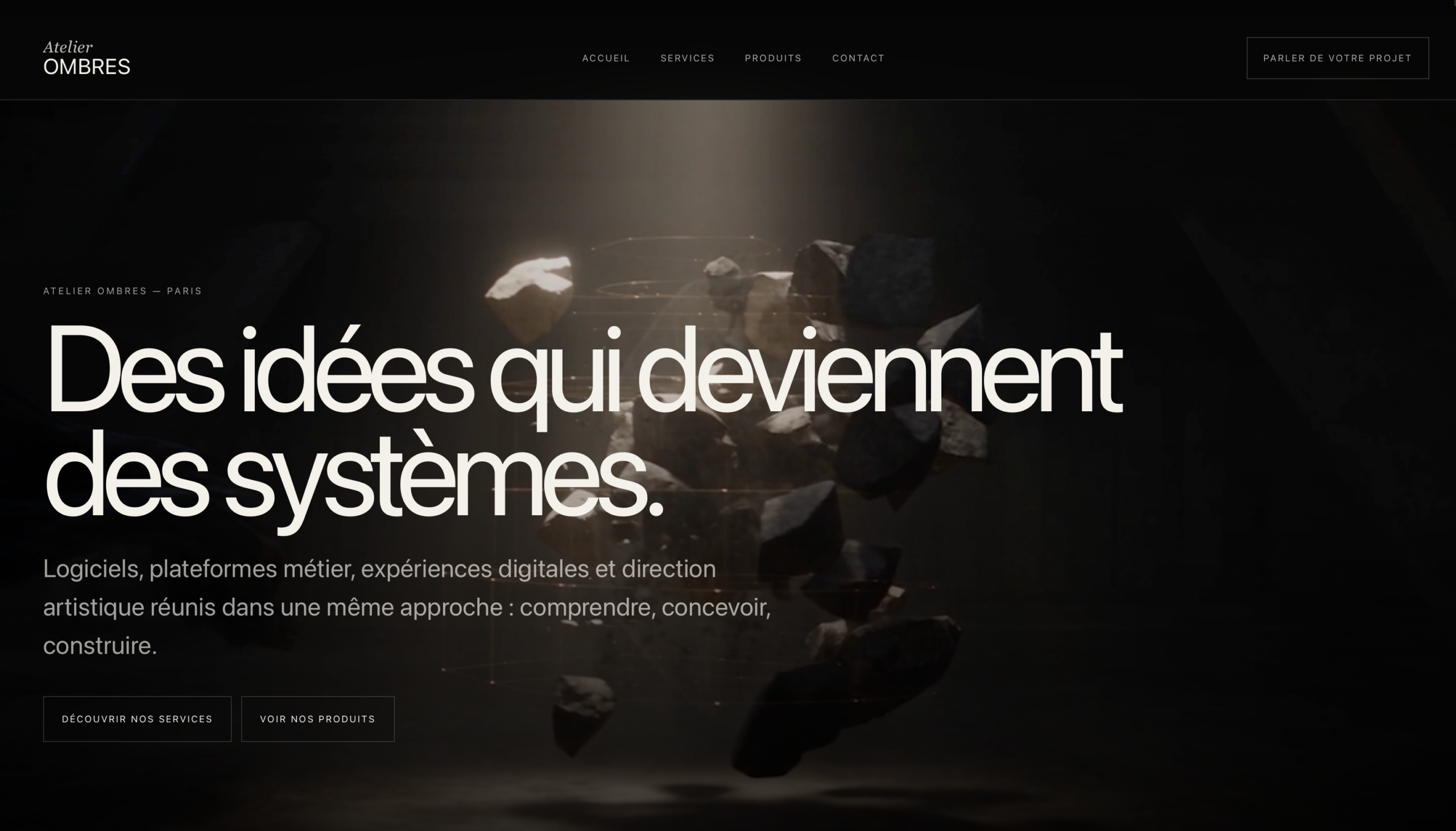
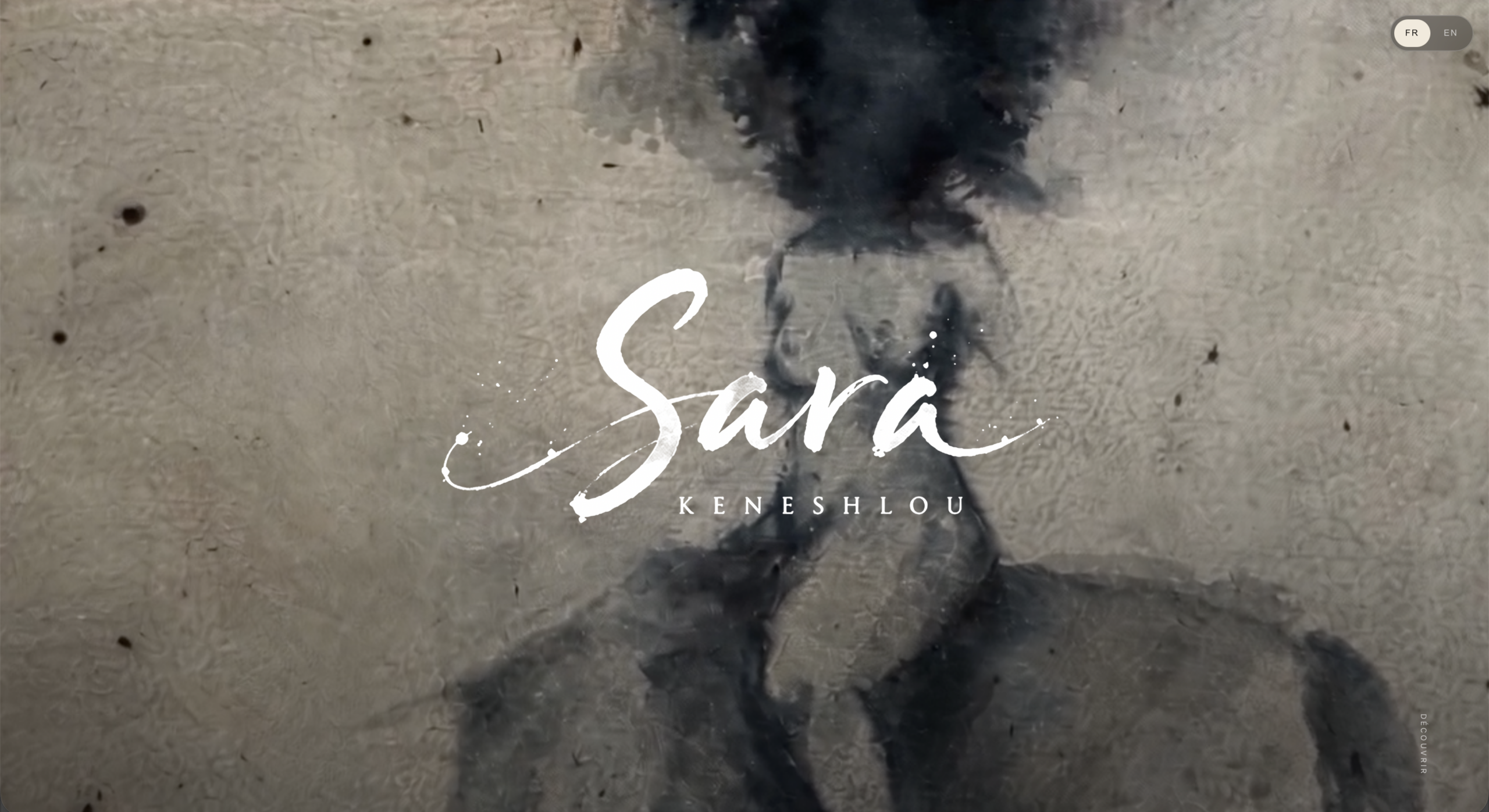
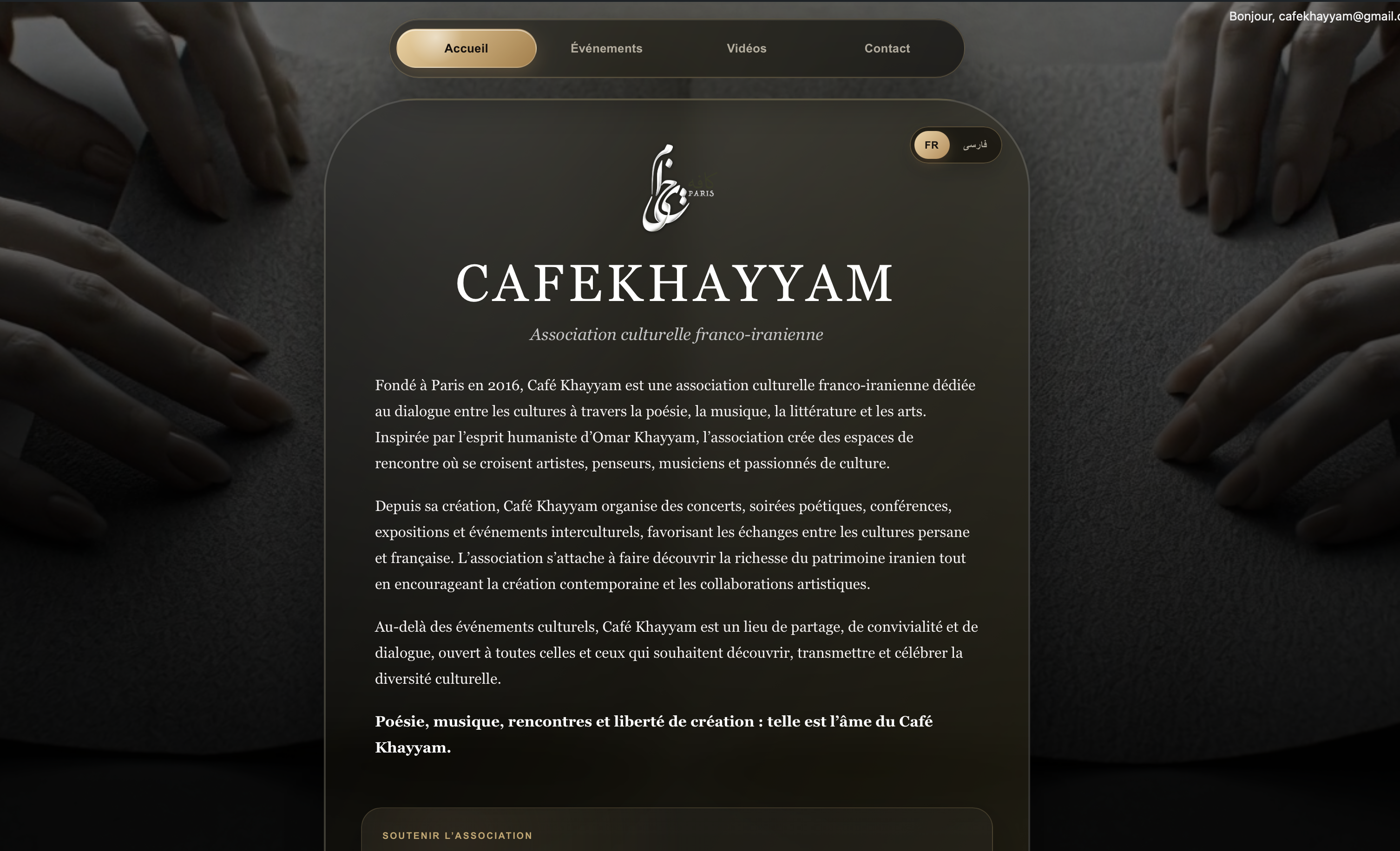
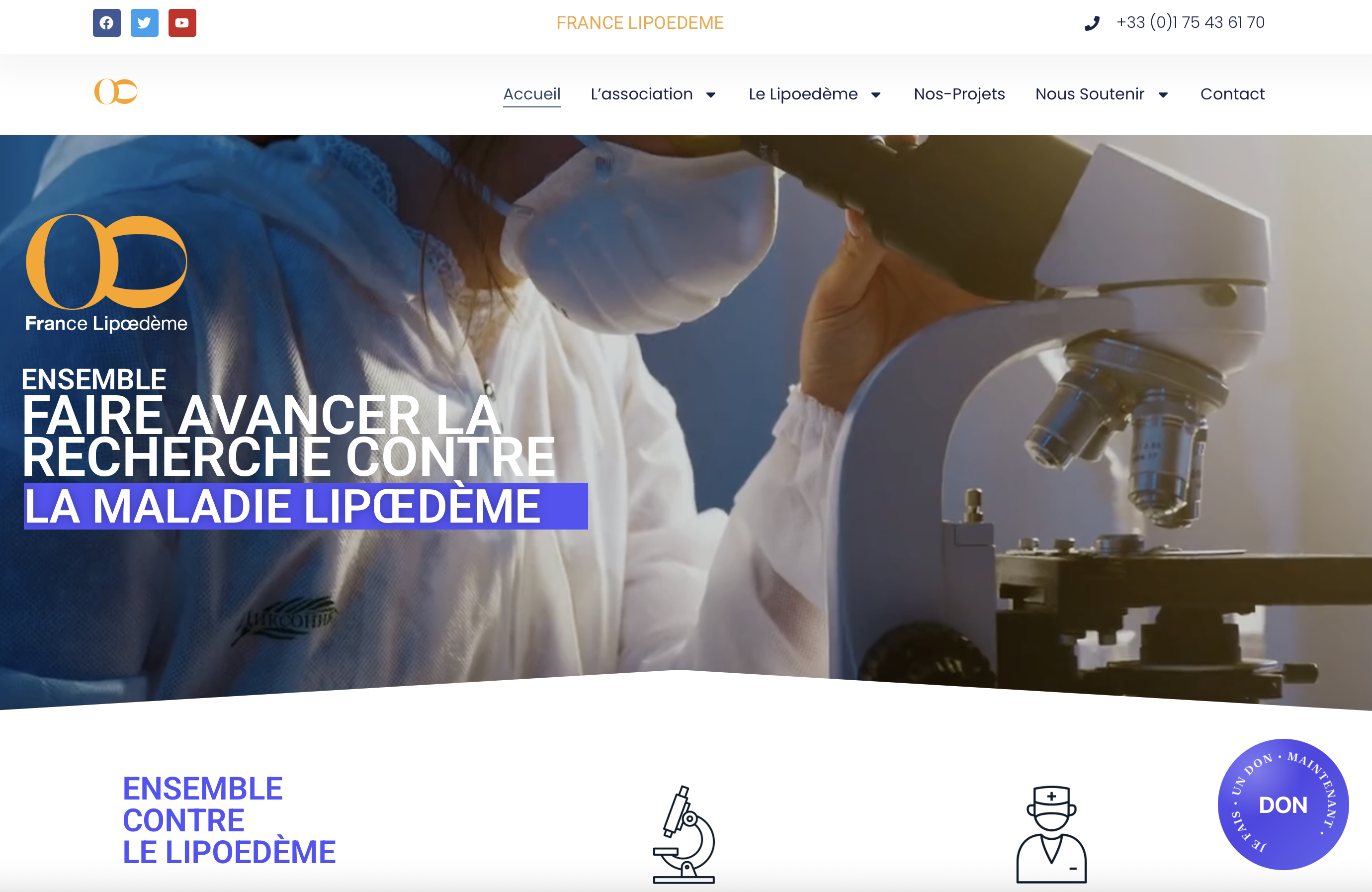
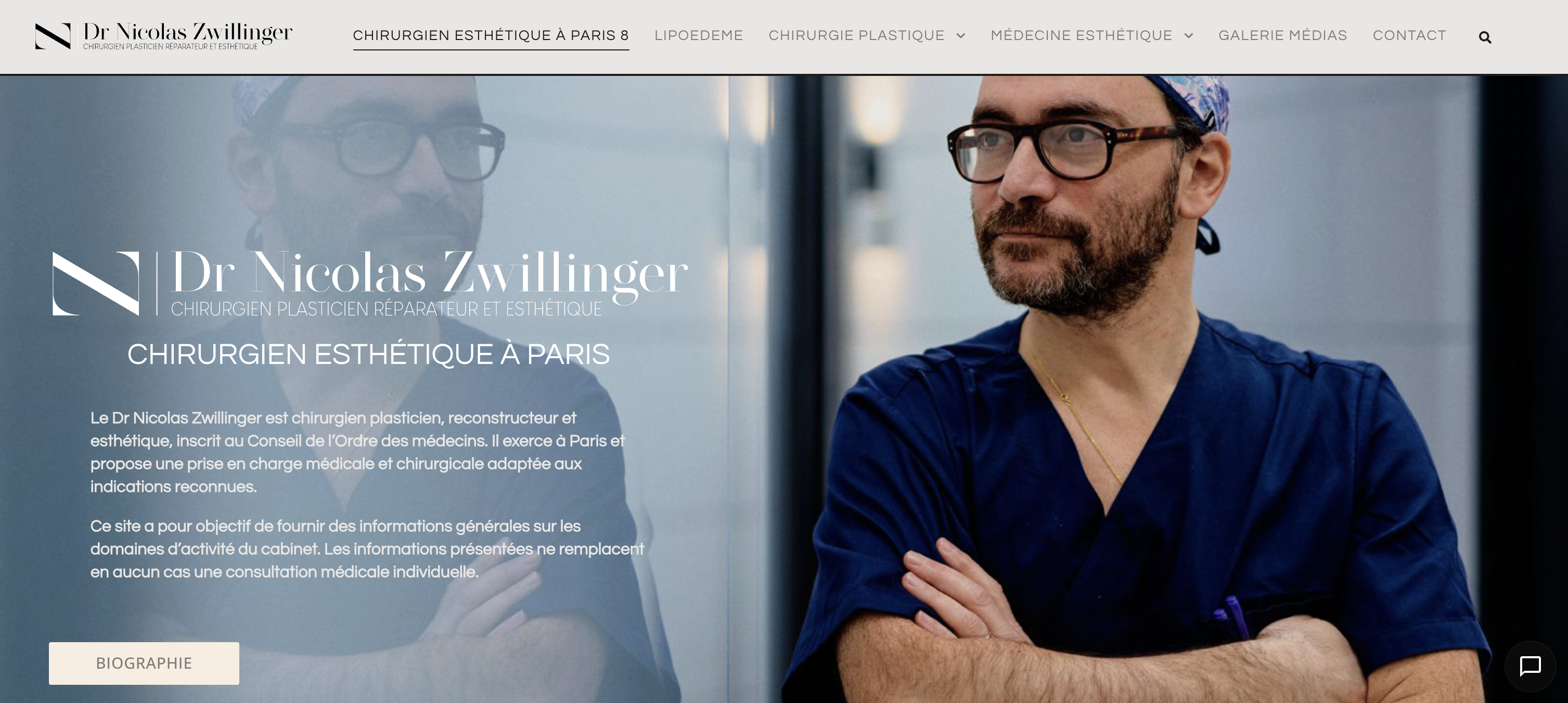
The web section presents selected work for cultural, brand and healthcare contexts, including Atelier Ombres, Atelier Sara, Café Khayyam and other organisations shown in the portfolio. Each context has its own audience and content requirements. For a website brief, explain the main visitor journeys, the material already available and the functions you need. A creative director can then consider how the interface, editorial structure and visual identity fit together. The number of pages is only one part of that discussion: a single page can organise several clear sections, while a larger project may need a more detailed structure to keep navigation understandable.
Digital products introduce questions that go beyond the presentation of a brand. Information must remain readable as people move through different tasks, screens and states. A creative director working on an interface needs to consider consistency, orientation and the relationship between visual choices and everyday use. A clear screen should help people understand its purpose without requiring them to interpret the design first.
The product section presents RestoTout, Plateforme Médicale and Pet Matching as separate project directions across hospitality, healthcare and mobile experiences. Their public demonstrations are marked as coming soon; the portfolio does not imply that a demonstration is currently available. To discuss an interface with a creative director, describe the intended users, their main tasks and the current stage of the project. Examples of existing screens, content requirements and workflow diagrams can help establish priorities. The appropriate scope depends on those needs and should be defined before assuming that every feature belongs in an initial release.
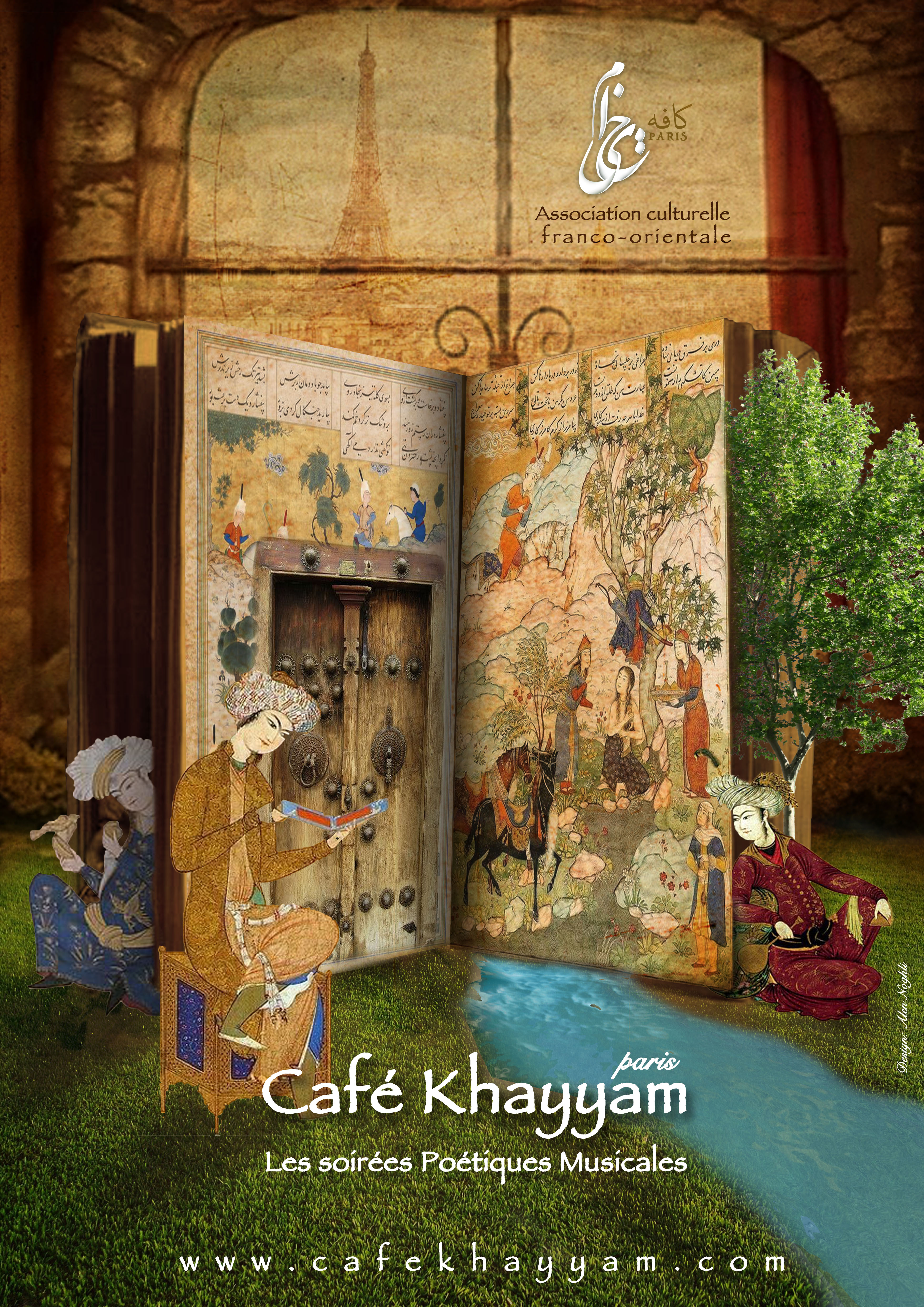
A poster often has to create an immediate visual encounter while keeping essential information readable. Image, typography and empty space work together at a different pace from a website or an application. For a creative director, cultural communication offers an opportunity to connect a clear message with an expressive visual approach suited to the event, publication or organisation.
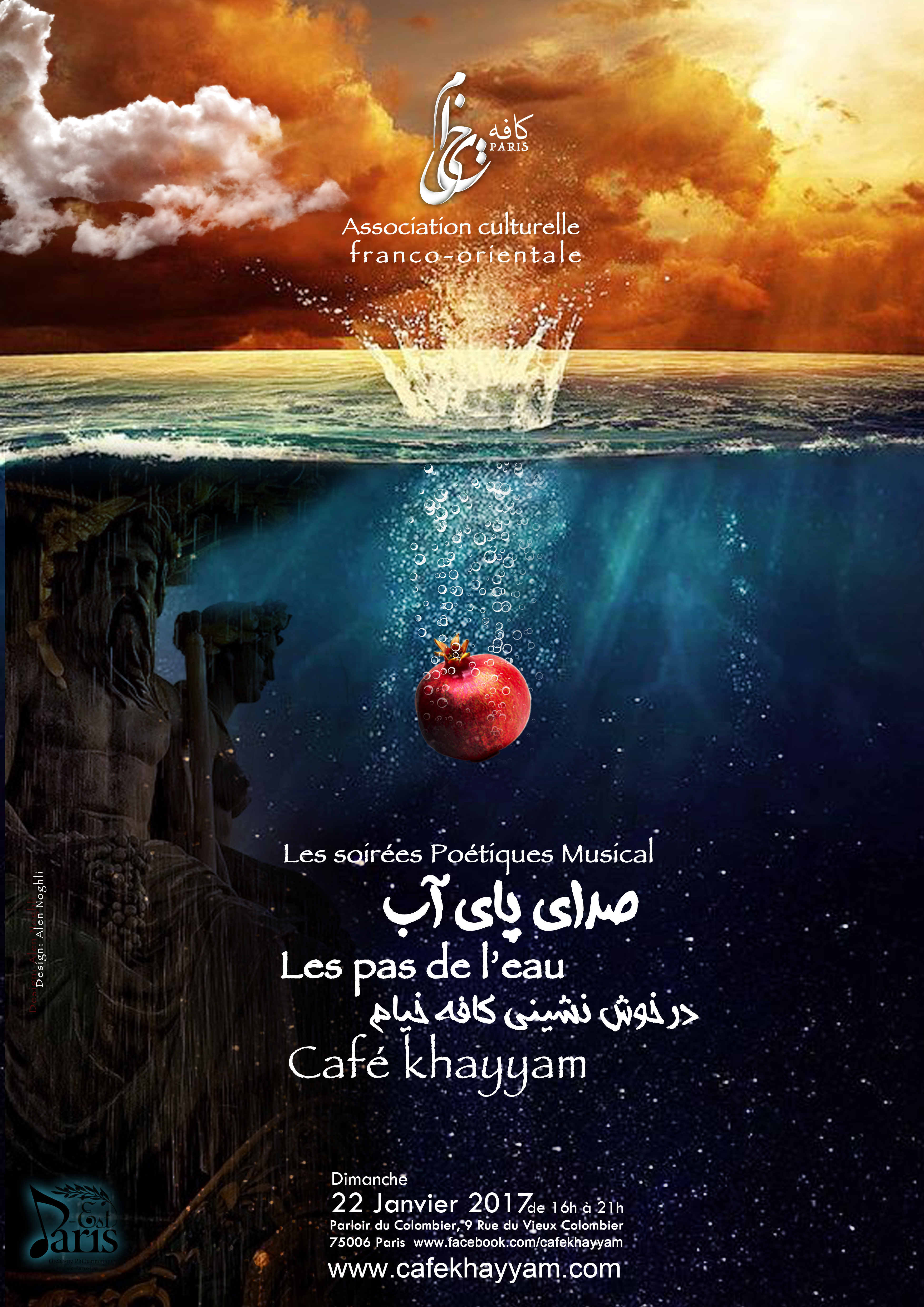
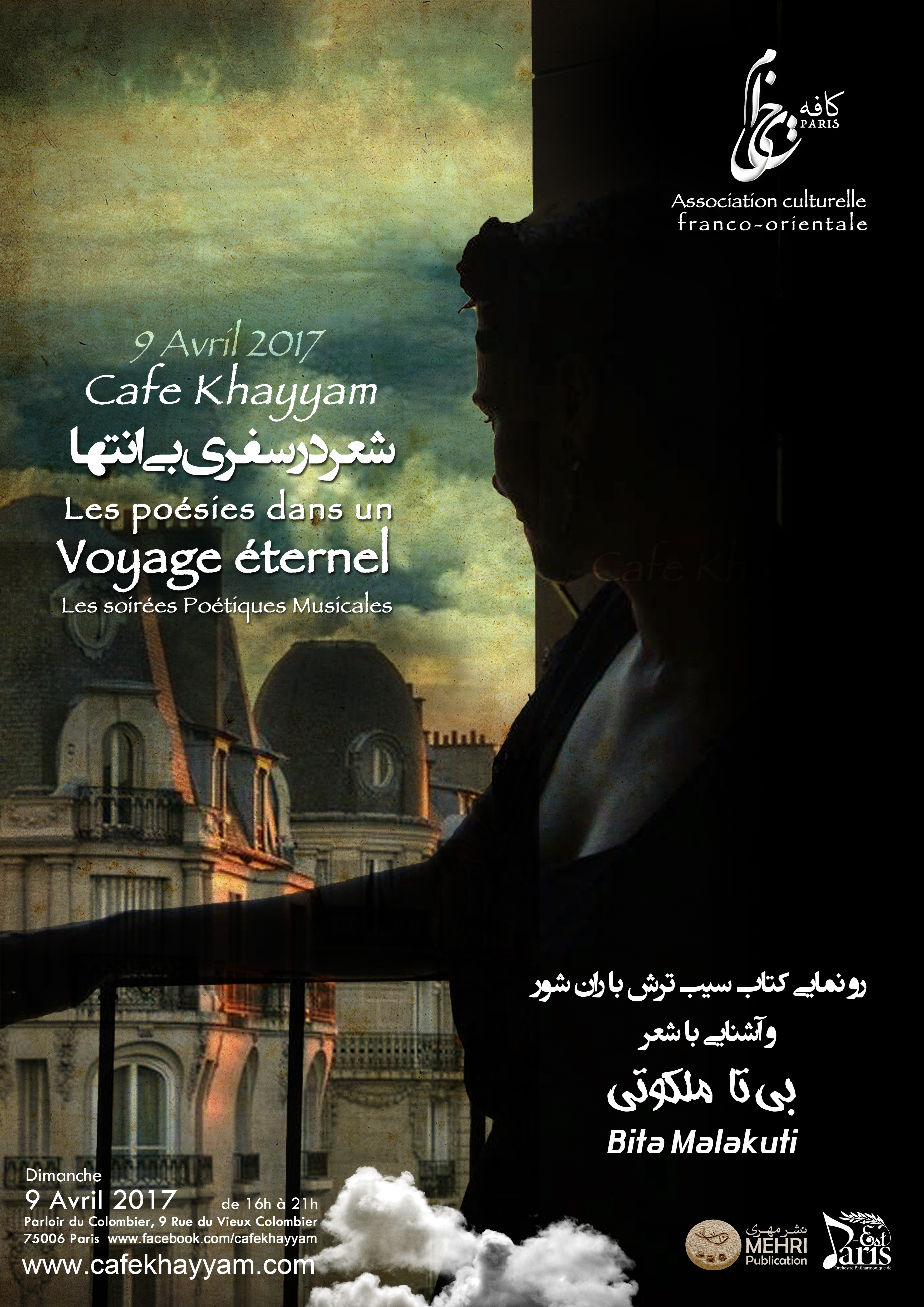
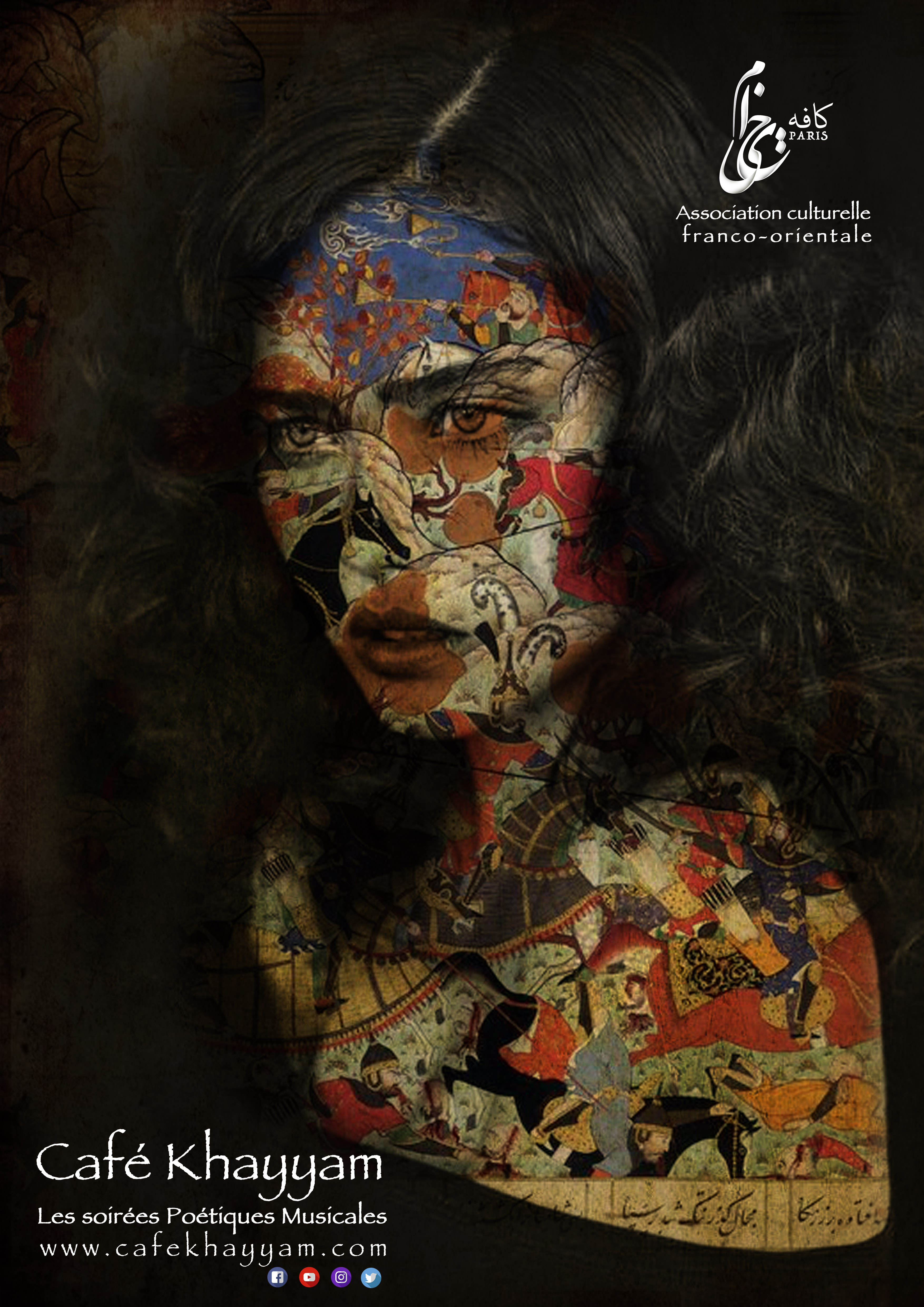
The poster selection on this page includes work for Café Khayyam. The artistic section offers another perspective through personal visual research, alongside the wider practice of photography, painting and sculpture. These activities inform my attention to rhythm, materials and composition without turning every commissioned project into the same kind of image. When contacting a creative director about a cultural project, include the subject, audience, essential information, publication formats and timing. It is also helpful to distinguish the central artwork from the adaptations needed for posters, digital communication or other supports, so that the whole set can remain coherent.
Motion introduces duration, rhythm and transitions into a visual identity. A composition that works as a still image may need a different hierarchy when it unfolds over time. The motion selection on this page belongs to the same practice as the photography, posters and websites: the relationship between the image, its message and its context remains central.
For a creative director, a motion brief should clarify where the work will be seen, how long it needs to run and whether it must also exist as a still image. Screen format, sound, captions and the availability of source material can all affect the direction. It is helpful to identify these requirements before treating animation as a final addition to a finished layout.
When discussing a project with a creative director, share the intended use and the material you already have. A reference can communicate a rhythm or atmosphere, but the resulting visual language should be considered in relation to the project itself. The aim is to connect moving and still formats within a coherent presentation.
References are most useful when they come with an explanation. A photograph might interest you because of its light rather than its subject; a website might be relevant for its navigation rather than its colours. Explaining that distinction gives a creative director a clearer understanding of what matters and avoids reducing the brief to a request to reproduce another project.
Existing assets deserve the same attention. Gather the current logo, available photographs, essential text and examples of previous communication. Identify which elements are approved, which need to change and which are still being developed. If several people contribute to the project, a shared understanding of the objectives can make the visual discussion more precise.
The portfolio is organised by discipline so that you can compare different kinds of work before contacting me. You can use the section links to move directly to cosmetics, posters, motion, websites or artistic projects. A creative director can then discuss those references in relation to your audience, formats and practical constraints, rather than assuming that one visual solution will suit every situation.
A useful first message explains the project in concrete terms. Introduce the brand or organisation, describe the audience and identify the main objective. Add the formats you expect, the materials already available and any timing constraints. If you have seen something relevant in this portfolio, mention the project or section so that your visual references have a clear context.
As a creative director based in Paris, I use this page to bring together different aspects of my practice and give prospective collaborators a starting point for discussion. The contact form below is the direct way to share a brief. You do not need to arrive with every design decision already made; questions about scope, visual direction and the relationship between supports can form part of the conversation. Choosing a creative director is also about finding a coherent approach to your particular needs, so describe what matters most to the project rather than asking for a copy of an existing design.
Newer product projects across hospitality, healthcare and mobile experiences.
Website, ordering, reservations, team operations, admin OS and mobile application.
Demo coming soon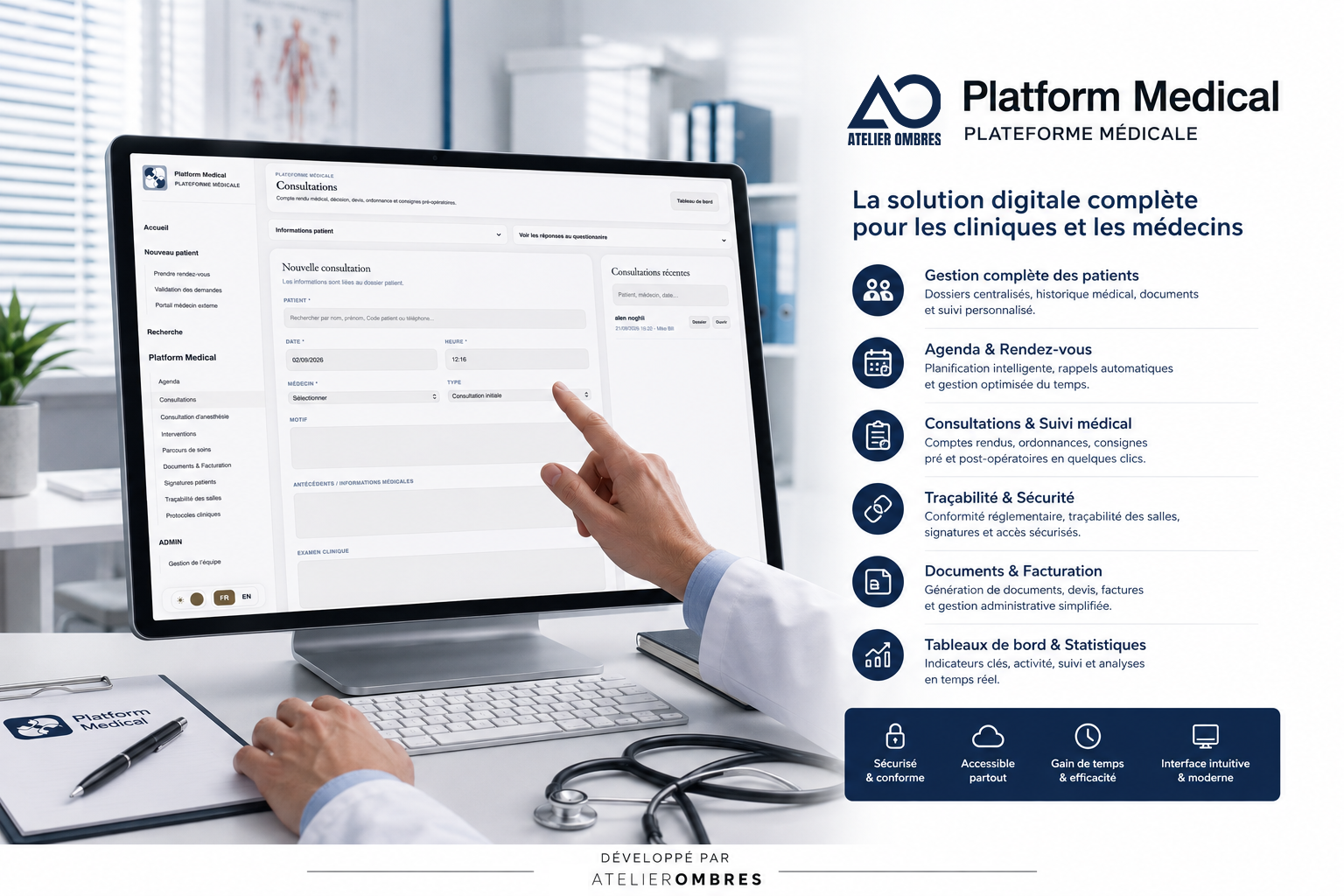
Patient journey, clinical workflows, documents, questionnaires, operations and administration.
Demo coming soon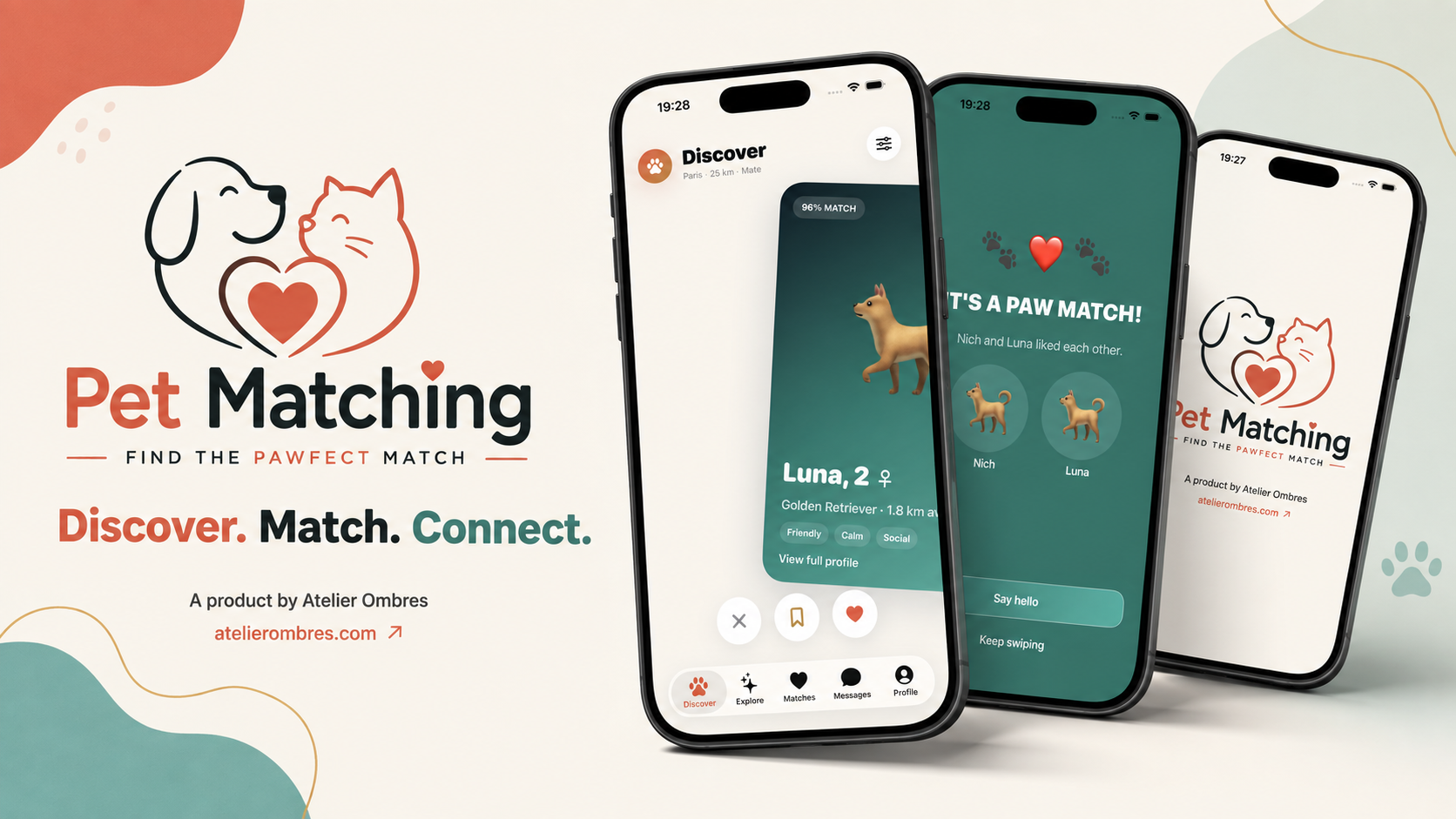
Profiles, matching, persistent matches, media, messaging and mobile-first product experience.
Demo coming soon











« Allen est une personne aux nombreuses qualités : humaines tout d’abord et avant tout.
Ouvert, souriant, optimiste, c’est très agréable de pouvoir échanger avec lui.
Professionnelles bien sûr car il maîtrise la suite Adobe, largement, et est capable de produire des visuels et des habillages rapidement et efficacement.
Artistiques enfin, car il est un véritable artiste avec des qualités techniques et une créativité qui créent émotions et ravissement.
Rencontrez Allen !
Il vous surprendra et pourrait vous donner envie d’aller plus loin dans la création de vos prochains briefs ! »

« Monsieur Alen Noghli a travaillé sous ma responsabilité en tant que Développeur web du 23/08/2021 au 01/10/2021.
Alen s’est révélé très rapidement être très doué tout en faisant preuve de qualités indéniables : un travail impeccable, des valeurs très fortes, proactivité, discipline, rigueur, ponctualité, un véritable savoir-être, dynamisme, efficacité, autonomie, fiabilité, professionnalisme, sociabilité - avec au final un travail impeccable et largement supérieur à la moyenne en termes de quantité et qualité de travail.
La capacité d’Alen à mener à leur terme dans les délais tous les travaux qui lui étaient assignés m’a fait forte impression.
Alen a tous les atouts pour devenir un développeur web de très haut niveau.
Il a de plus très rapidement su rejoindre avec brio une équipe de talents du digital.
Il a fait la démonstration de qualités humaines évidentes, d’un très grand savoir-être et d’un esprit d’équipe remarquable.
Aussi je recommande sans aucune hésitation Alen pour qu’il rejoigne vos équipes.
Fait à La Celle-Saint-Cloud, le 10 octobre 2021 »
